

This is a question many patients ask quietly — sometimes after months of thinking about it.
They have noticed small chips, uneven edges or discolouration. Nothing dramatic. Nothing urgent. Just something that no longer feels quite right when they smile.
When they start looking into cosmetic options, two terms appear almost immediately: composite bonding and veneers.
They sound similar. They promise similar results. Yet they are not the same — and choosing between them is rarely as straightforward as it first seems.
“I Don’t Want Anything Too Obvious — Just Natural”
This is often the first thing patients say.
Most people are not looking for a dramatic transformation. They want subtle improvements that still feel like their teeth.

Both composite bonding and veneers can achieve natural-looking results when planned carefully. The difference lies in how they are done, how long they last, and how much change is involved.
Understanding these differences helps set realistic expectations from the start.
What Is Composite Bonding, in Simple Terms?
Composite bonding involves applying a tooth-coloured resin material directly to the tooth surface. It is shaped, smoothed and polished to improve appearance.
Patients often choose bonding to address:
- Small chips or uneven edges
- Minor gaps
- Shape irregularities
- Localised discolouration
Bonding is usually completed in one visit and typically involves little to no alteration of the natural tooth. This makes it an appealing option for subtle, conservative changes.
What Are Veneers, and How Are They Different?
Veneers are thin shells, usually made from porcelain, that are custom-designed and bonded to the front surface of teeth.
They are often considered when:
- Colour changes are more significant
- Tooth shape needs more extensive correction
- Multiple teeth are involved
- Long-term colour stability is important
Veneers generally require more planning and preparation than bonding, but they can offer greater durability and stain resistance over time.
“Is One Better Than the Other?”
This is a common question, and the honest answer is no.
Neither option is universally “better”. They simply suit different situations. What matters most is how much change is needed, how your teeth are structured, and how you feel about maintenance and longevity.
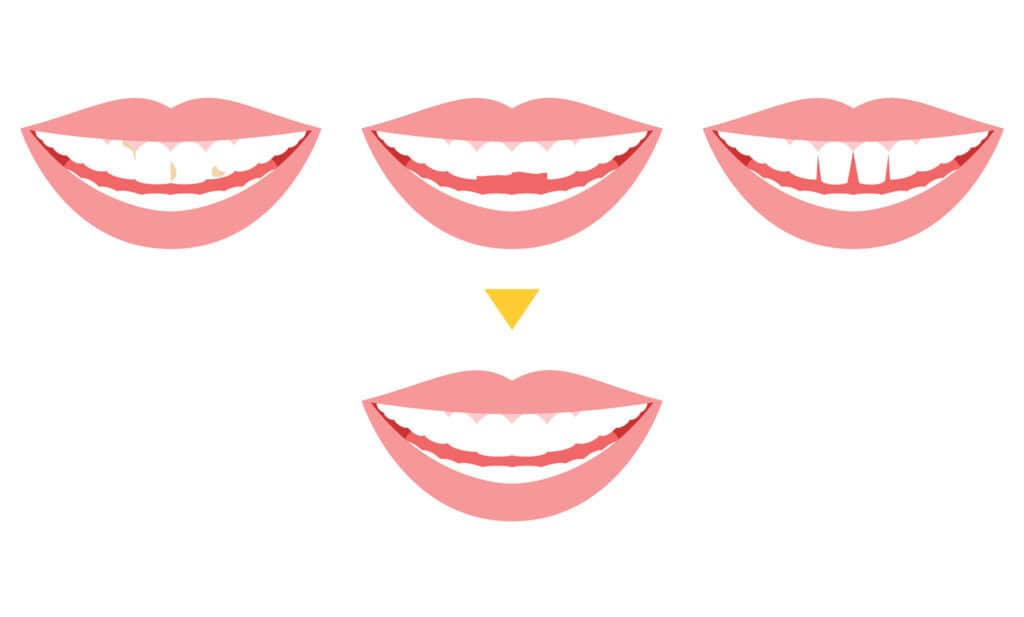
Preventative and cosmetic dentistry overlap here: preserving natural tooth structure and planning conservatively are always priorities.
Longevity, Maintenance and Expectations
One of the key differences patients notice over time relates to maintenance.
Composite bonding:
- May require polishing or repairs
- Can stain over time
- Is easier to adjust or reverse
Veneers:
- Tend to be more colour-stable
- Are more resistant to staining
- Are designed for longer-term wear
Neither option is maintenance-free. Both require good oral hygiene and regular reviews to support long-term results.
“I’m Not Sure How Much Change I Want”
Many patients are uncertain at the beginning — and that is entirely normal.
A cosmetic consultation is not about choosing a treatment immediately. It is about understanding possibilities, limitations and how different options align with your expectations.
Digital previews, photographs and careful discussion help patients visualise outcomes and make informed decisions without pressure.
Why Personalisation Matters in Cosmetic Dentistry
Cosmetic dentistry is never one-size-fits-all. Tooth shape, enamel quality, bite forces and gum health all influence suitability.
What works beautifully for one patient may not be appropriate for another. This is why assessment and planning are essential, even for seemingly minor cosmetic concerns.
Composite bonding and veneers can both improve the appearance of teeth, but they differ in durability, reversibility, and long-term maintenance. What works well for one person may not be the best option for another, as factors such as tooth structure, bite, lifestyle, and aesthetic expectations all play a role in suitability.
If you’re weighing up these options and feel unsure which approach fits your situation, a calm conversation with a dentist can help clarify the differences and what may be appropriate for your teeth over time.