

For many patients, dental implants are something they think about for a long time before mentioning.
They may have lost a tooth years ago. They may have been coping quietly with a gap, a loose denture, or a bridge that no longer feels comfortable.
Eventually, the thought appears:
“Should I be considering dental implants?”
Before any decisions are made, most patients want clarity, not technical detail, not sales language, just straightforward answers to the questions that matter most.
“Am I Even a Suitable Candidate?”
This is usually the first concern.
Dental implants are not about age alone. Suitability depends more on:
- Overall oral health
- Gum condition
- Bone quality and volume
- General medical considerations
Many patients assume implants are only for certain people, or that they may already be “too late”. In reality, suitability can only be assessed clinically, and options often exist even when bone levels have changed over time.
“Is the Treatment Painful?”
This question is asked almost every time, and understandably so.
Implant placement is a surgical procedure, but it is planned carefully and carried out with patient comfort as a priority. Most patients report that the experience is far more manageable than they expected, particularly compared with the discomfort associated with an infected or failing tooth.
Recovery experiences vary, but preventative planning aims to minimise disruption and support predictable healing.
“How Long Does the Whole Process Take?”
Implant treatment is not usually immediate, and this often surprises patients.
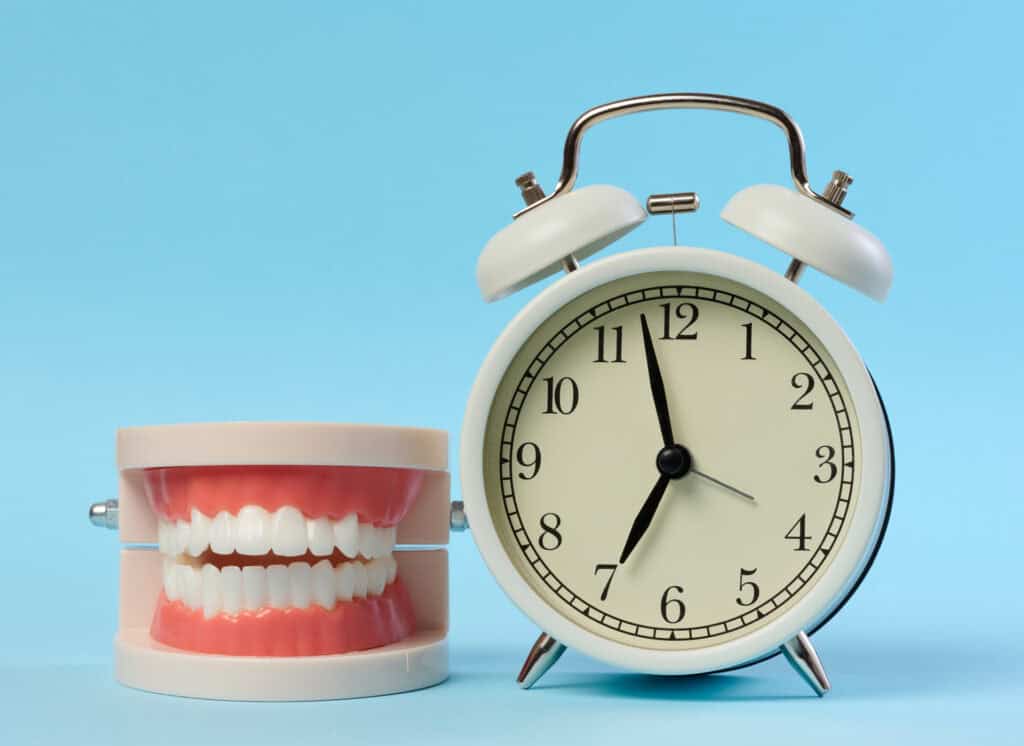
The timeline depends on several factors, including healing requirements, bone condition and the type of restoration planned. Some cases progress more quickly, while others require staged treatment to ensure stability and long-term success.
Understanding that implants are a process, rather than a single appointment, helps set realistic expectations from the outset.
“Will It Look Natural?”
A common concern is whether an implant will be noticeable.
Modern implant dentistry focuses not only on function, but also on aesthetics. The final result is designed to blend with neighbouring teeth in shape, shade and position.
That said, natural-looking outcomes rely on careful planning, healthy gums and appropriate restoration design. This is why assessment and preparation are as important as the implant itself.
“Are Dental Implants Permanent?”
Dental implants are designed to be long-lasting, but they are not immune to wear or complications.
Long-term success depends on:
- Good oral hygiene
- Healthy gums
- Regular dental reviews
- Avoidance of excessive bite forces
Implants require care, just like natural teeth. Understanding this early helps patients approach treatment with the right mindset.

Why Some Patients Hesitate
Many people delay implant treatment because:
- They are unsure about the process
- They worry about surgery
- They feel the gap is manageable
- They are concerned about long-term commitment
Preventative implant care focuses on providing information early, so patients can decide at their own pace rather than under pressure when problems worsen.
When Dental Implants Are Often Considered
Implants may be discussed when:
- A tooth is missing or has been lost
- A bridge or denture feels unstable
- Adjacent teeth are being overloaded
- Long-term stability is a priority
They are one of several tooth-replacement options, and suitability should always be assessed individually.
Dental implants are a widely used option for replacing missing teeth, but suitability and outcomes can vary between individuals. Factors such as bone health, overall oral condition, and long-term maintenance all play a role, and in some cases additional procedures or careful monitoring may be required as part of the process.
If dental implants are something you’re considering and have questions about what’s involved, a calm conversation with a dentist can help clarify whether they may be appropriate for you and what the process could look like over time.