
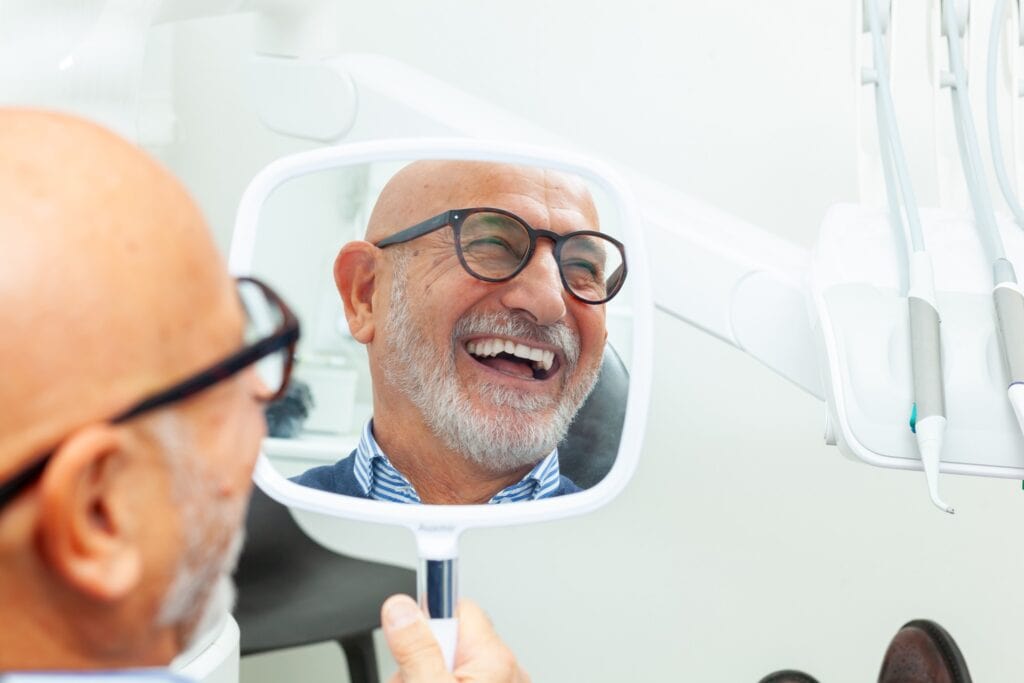
For many patients, the biggest questions about dental implants come after treatment.
Not about surgery or healing, but about daily life.
Will implants feel natural?
Do they need special care?
Will things ever feel “normal” again?
Understanding what life looks like after implants helps patients approach treatment with confidence and realistic expectations.
“Will It Feel Like a Real Tooth?”
This is one of the most common concerns.
Once healing is complete, dental implants are designed to feel stable and comfortable during everyday activities such as eating, speaking and smiling. Many patients report that, over time, they stop thinking about the implant altogether.
That said, implants are not identical to natural teeth. They do not have nerves in the same way, which means sensations can feel slightly different. Most people adapt quickly, particularly when the restoration has been carefully planned and fitted.
Getting Used to Your Implant
The adjustment period varies from person to person.
In the early weeks, it is normal to be more aware of the implant as tissues settle and biting patterns adjust. This awareness typically fades as the mouth adapts and confidence returns.
Regular reviews during this phase help ensure that the bite is balanced and that healing is progressing as expected.
Everyday Care: Is It Different From Natural Teeth?
Implants require care, but not complicated routines.
Good daily habits are essential, including:
- Brushing twice daily
- Cleaning carefully around the implant
- Paying attention to gum health
- Attending regular dental and hygiene reviews
The key difference is consistency. Plaque can still build up around implants, and gum inflammation can still occur. Preventative care remains just as important as it was with natural teeth.
Comfort While Eating and Speaking
Most patients return to normal eating habits once healing is complete. Implants are designed to withstand everyday biting forces, but initial caution is often advised while tissues stabilise.

Comfort during speaking usually improves quickly. Any early changes tend to resolve as muscles adapt and confidence grows.
If discomfort persists, it should always be reviewed rather than ignored.
“Do Implants Need Special Maintenance Appointments?”
Implants benefit from professional monitoring.
During routine reviews, clinicians assess:
- Gum health around the implant
- Stability of the restoration
- Bite forces and wear patterns
- Ease of cleaning
These appointments are not about anticipating problems, but about maintaining long-term stability and preventing complications before they develop.
What Affects Long-Term Comfort and Success
Several factors influence how implants perform over time:
- Oral hygiene standards
- Gum health
- Smoking status
- Teeth grinding or clenching
- General health factors

Understanding these influences allows patients to take an active role in protecting their investment.
Living Normally — With Awareness
Dental implants are intended to support a normal, comfortable lifestyle. Most patients eat, speak and smile without restriction once treatment is complete.
At the same time, implants benefit from awareness. Noticing changes early and attending regular reviews help ensure that small issues do not become larger concerns.
Life with dental implants can feel very natural for many people, but long-term comfort and success depend on consistent care and maintenance. Factors such as oral hygiene, bite forces, and regular professional reviews all play a role, and individual experiences can vary over time.
If you’re thinking about life after implants or want to understand how to care for them properly, a calm conversation with a dentist can help clarify what ongoing maintenance may be appropriate for you and how to support your oral health in the long term.