
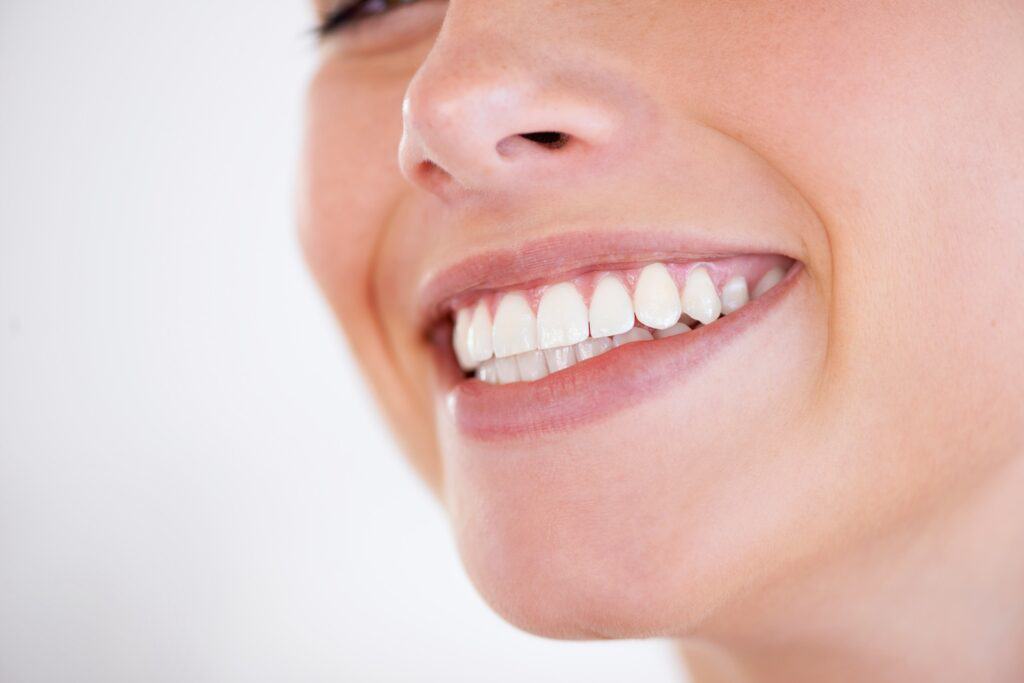
When people think about orthodontics, they often imagine major changes — noticeably crooked teeth being straightened over time.
In reality, some of the most meaningful improvements come from small movements.
A slight overlap reduced.
A tooth gently repositioned.
A bite adjusted just enough to function more comfortably.
These subtle changes can have a significant impact on oral health, often in ways patients do not expect.
“My Teeth Aren’t That Crooked, So Does Alignment Really Matter?”
This is a common and reasonable thought.
Many adults feel their teeth are “good enough”. They may not be seeking a cosmetic transformation, but they notice:
- Certain areas are harder to clean
- Food gets trapped repeatedly
- Gums feel tender in the same spots
- Teeth show uneven wear
In these situations, alignment is less about appearance and more about function and maintenance.
How Minor Misalignment Affects Oral Health
Even small positional issues can influence how teeth and gums cope over time.
Cleaning Becomes More Challenging
Crowded or rotated teeth can create areas that are difficult to access with a toothbrush or interdental aids. Plaque tends to accumulate in these spots, increasing the risk of decay and gum inflammation.
Uneven Wear
When teeth do not meet evenly, certain areas may take more force during chewing or grinding. Over time, this can lead to wear, sensitivity or small fractures.
Gum Health
Teeth that sit outside their ideal position may place extra strain on the surrounding gum tissue, making recession or inflammation more likely in specific areas.
Small Movements, Thoughtful Planning
Orthodontic treatment does not always mean comprehensive realignment of every tooth. In some cases, limited or targeted movement can:
- Improve access for cleaning
- Redistribute biting forces
- Reduce pressure on specific teeth
- Support gum stability
These changes are often subtle but can contribute to better long-term oral health and comfort.
Alignment and Preventative Dentistry Go Hand in Hand
Preventative care is about reducing future risk. Improving alignment, even slightly, can make daily oral hygiene more effective and reduce reliance on more complex treatment later.
For some patients, orthodontic alignment is part of a broader preventative plan rather than a purely cosmetic choice.
“Will Small Changes Really Make a Difference?”
In many cases, yes — but outcomes vary.
Some patients notice immediate improvements in comfort and cleaning. Others benefit gradually, as reduced strain and better access help stabilise oral health over time.
The aim is not perfection, but balance. Even modest improvements can support healthier habits and more predictable maintenance.

Adult Orthodontics: A Different Perspective
Adults often approach orthodontic treatment with different priorities than younger patients. Comfort, discretion and practicality matter, but so does understanding why treatment is being considered.
Small-scale alignment can be particularly appealing for adults who want functional benefits without extensive intervention.
Even small changes in tooth alignment can influence how teeth meet, how easily they can be cleaned, and how forces are distributed when you bite. While minor movement can support long-term oral health for some people, its significance and benefits vary depending on individual anatomy, habits, and overall dental condition.
If you’re curious about how tooth alignment may be affecting your oral health, a calm conversation with a dentist can help clarify whether any adjustments might be appropriate for you and what role they could play over time.