
For many patients, the most uncomfortable part of past dental visits had little to do with treatment.
It was the impressions — bulky trays, unpleasant materials, and the feeling of having to sit still and wait.
Digital scanning has changed that experience significantly. More importantly, it has changed how patients understand their own oral health, making dental care clearer, calmer and more collaborative.
“Is This Replacing Those Old Impressions?”
In many cases, yes.
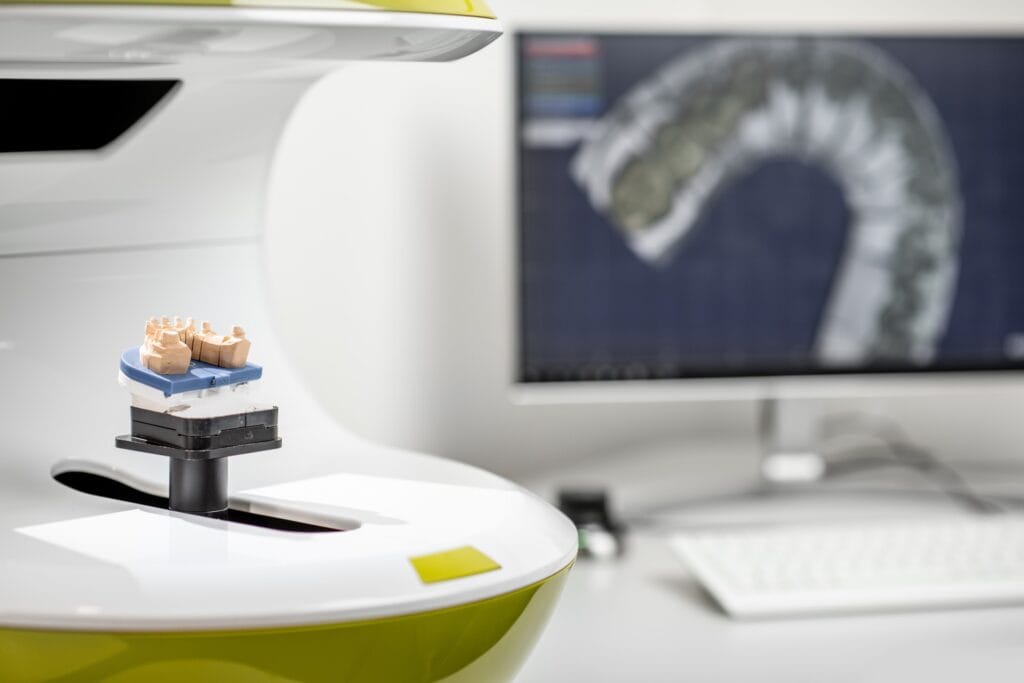
Digital scanners use a small handheld camera to capture detailed images of teeth and gums. These images are instantly converted into a precise 3D model on screen.
For patients, this often means:
- No impression trays
- No setting materials
- Less discomfort
- Faster appointments
But comfort is only part of the story.
Seeing What the Dentist Sees
One of the most meaningful changes digital scanning brings is transparency.
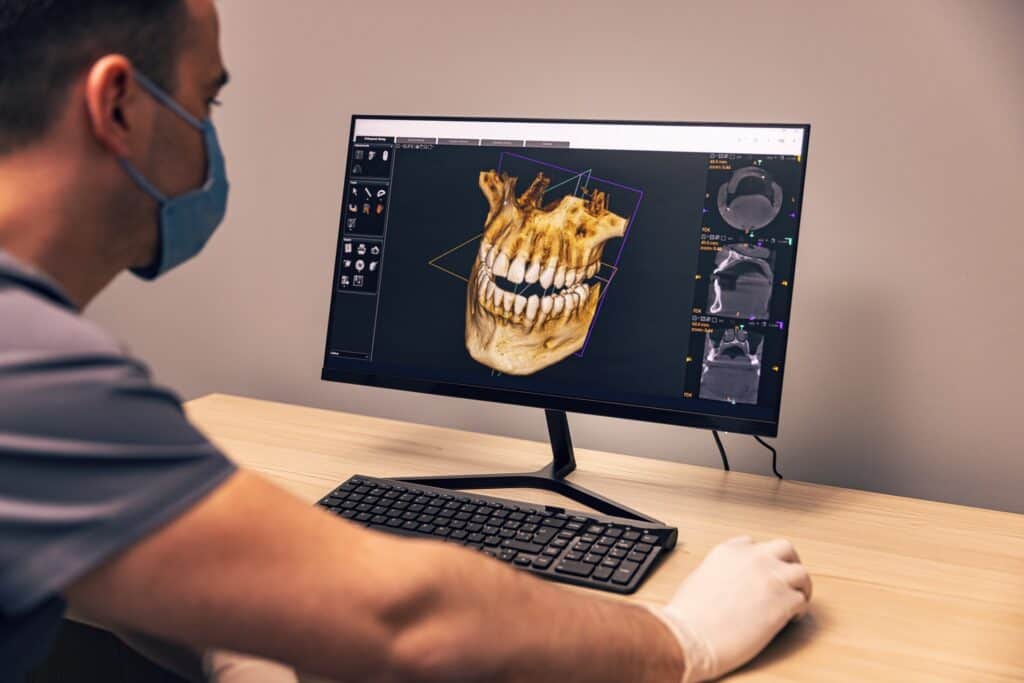
Instead of being told about wear, crowding or changes in tooth position, patients can see them. This visual clarity often reduces anxiety and uncertainty, particularly for those who find dental explanations abstract or overwhelming.
Understanding what is happening makes decisions feel more informed and less pressured.
Why Accuracy Matters — Even When You Don’t Feel a Problem
Digital scans capture details that may not be obvious during a traditional examination. Small changes in alignment, wear patterns or tooth surfaces can be monitored over time.
This supports preventative care by:
- Identifying early changes
- Comparing scans at different visits
- Planning conservatively and precisely
For patients, this often means fewer surprises and more predictable outcomes.
A More Comfortable Experience for Anxious Patients
For patients who feel uneasy about dental visits, digital scanning can make a noticeable difference.
The process is quiet, non-invasive and usually quick. There is no pressure to “cope” with uncomfortable materials, which helps many patients relax during appointments.

Reduced physical discomfort often leads to reduced emotional stress.
How Digital Scanning Supports Treatment Planning
When treatment is being considered — whether orthodontic, restorative or cosmetic — digital scans help with planning and communication.
They allow:
- Clear discussion of options
- Visual previews of possible outcomes
- More accurate collaboration between dentist and laboratory
Importantly, scanning supports explanation rather than persuasion. Patients can take time to understand findings and ask questions without feeling rushed.
Does Digital Scanning Replace Clinical Skill?
No, and this is an important distinction.
Digital scanning supports clinical judgement, but it does not replace it. The technology provides detailed information, while interpretation and decision-making remain firmly in the hands of the clinician.
Technology enhances care when it is used thoughtfully and explained clearly.
Is Digital Scanning Used at Every Appointment?
Not necessarily.
Scanning is used when it adds value — for assessment, monitoring or planning. It is not a requirement for every visit, and its use is tailored to individual needs.
The aim is not to use technology for its own sake, but to improve clarity, comfort and precision where appropriate.
Digital scanning has changed how dental information is captured, making many assessments more comfortable and precise. However, while scans provide detailed visual data, their value depends on clinical interpretation and how they’re used alongside professional judgement, individual needs, and ongoing oral health monitoring.
If you’re curious about how digital scanning fits into your own dental care, a calm conversation with a dentist can help clarify what these tools can offer and how they may support your experience over time.