

This question is asked more often than many people realise — usually with a hint of hesitation.
Adults may have lived with their smile for decades, adapted to small misalignments, or assumed orthodontic treatment was something reserved for teenagers.
Yet curiosity remains: is there a point where it’s simply too late?
The short answer is no. The more helpful answer is that age is rarely the deciding factor — oral health and suitability are.
“I’ve Managed Fine Until Now — Why Consider It at This Stage?”
For many adults, the motivation is not cosmetic alone. Changes happen gradually over time:
- Teeth shift subtly
- Crowding increases
- Cleaning becomes more difficult
- Wear patterns become more noticeable
What once felt manageable may begin to affect comfort, maintenance or confidence. Teeth straightening at this stage is often about supporting long-term oral health rather than chasing perfection.
How Adult Orthodontics Is Different
Adult orthodontic treatment is approached differently from treatment in younger patients.
Adults tend to:
- Prefer discreet options
- Value comfort and predictability
- Want to understand why treatment is recommended
- Prioritise stability over speed
Modern orthodontics offers flexible approaches that reflect these priorities, with careful planning tailored to individual needs rather than age.
Does Teeth Move Differently in Adults?
Teeth can be moved at any age, provided gums and bone are healthy. However, adult tooth movement may:
- Progress at a slightly different pace
- Require closer monitoring
- Be influenced by existing restorations or wear
This does not mean treatment is less effective — it simply means planning must be thoughtful and realistic.
Common Concerns Adults Have
Visibility
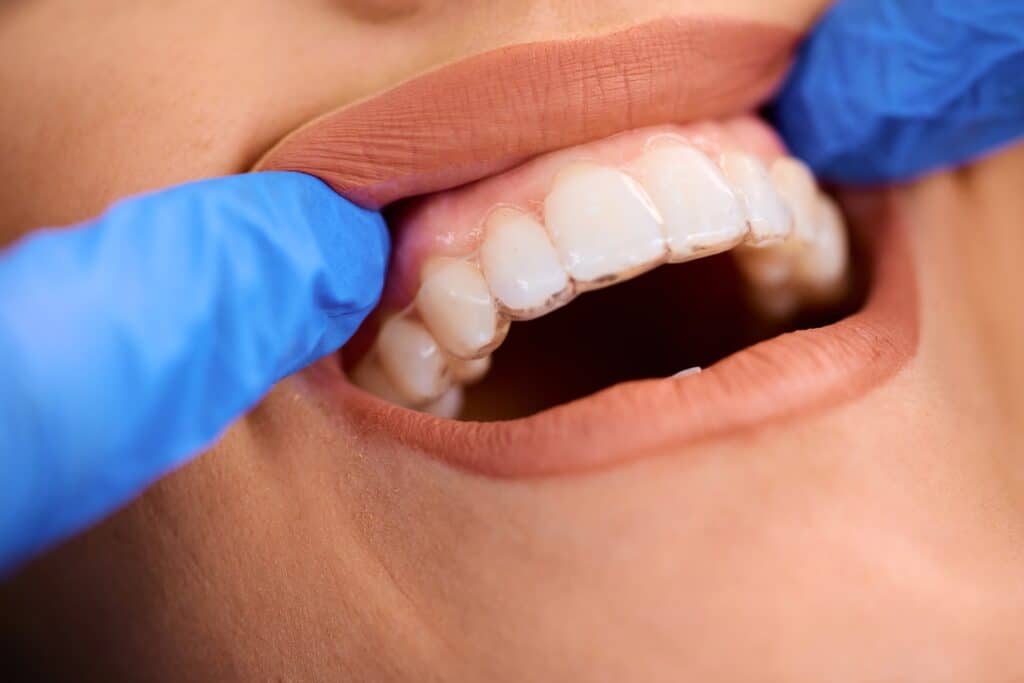
Many adults worry about noticeable appliances. Clear aligners and discreet options often address this concern, depending on suitability.
Comfort
Orthodontic movement involves pressure, but treatment is planned to be gradual and manageable. Most adults adapt quickly.
Time Commitment
Treatment length varies, but many adults find that smaller, targeted movements achieve meaningful improvements without extended timelines.
Orthodontics and Oral Health in Adulthood
Alignment plays a role in more than appearance. Straighter teeth can:
- Improve access for cleaning
- Reduce plaque retention
- Balance bite forces
- Support gum stability
For some patients, orthodontic treatment forms part of a broader preventative plan to reduce future dental problems.
“What If I’ve Had Dental Work Already?”
Existing fillings, crowns or implants do not automatically rule out orthodontic treatment. They do, however, influence planning.
Assessment considers how teeth will move safely around existing restorations and whether alternative approaches may be more suitable. This reinforces why individual evaluation is essential.

So, Is There an Upper Age Limit?
There is no fixed upper age limit for teeth straightening. Suitability depends on:
- Gum health
- Bone support
- Tooth condition
- Overall oral stability
Many adults successfully undergo orthodontic treatment later in life with positive, comfortable outcomes when care is planned conservatively.
Age alone does not determine whether teeth straightening is possible, and many adults explore orthodontic options later in life. Suitability depends on factors such as gum health, bone support, existing dental work, and overall oral condition, and treatment approaches can vary from person to person.
If teeth straightening is something you’ve been considering and feel unsure whether it’s right for you, a calm conversation with a dentist can help clarify what options may be appropriate and how they could fit into your long-term oral health.