

Many patients hear these words for the first time when something unexpected comes up during a check-up.
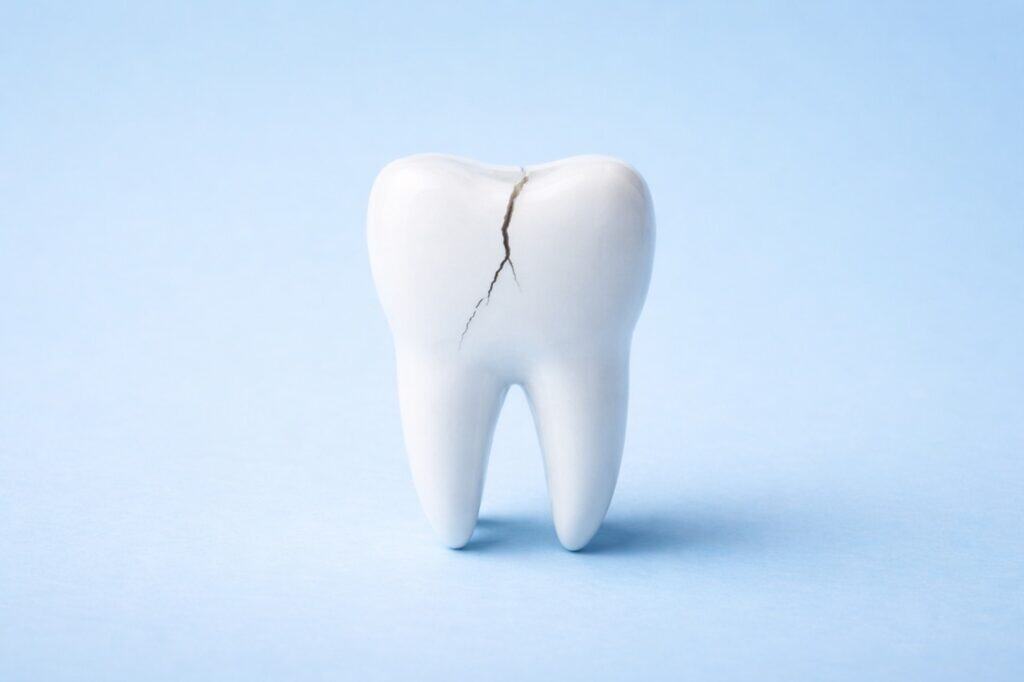
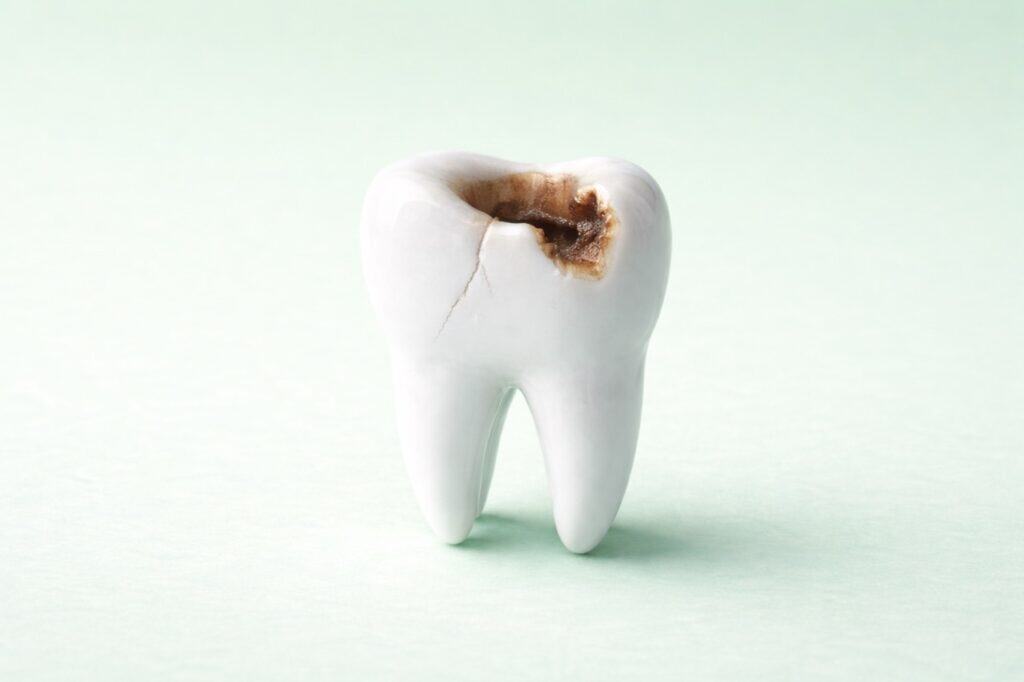
A filling has failed. A tooth has cracked. Something feels “not quite right”.
Suddenly, unfamiliar terms appear: crown, inlay, onlay.
They sound technical, and it is not always clear why one is suggested over another.Understanding the difference does not require a dental background. In everyday terms, it is about how much of the tooth needs support — and how best to protect what remains.
“Why Can’t I Just Have Another Filling?”
This is a very common and sensible question.
Fillings work well when damage is small. However, when a tooth has lost more structure—due to decay, wear or an old filling—placing another filling may not provide enough strength.
At this point, the focus shifts from repairing a small area to supporting the tooth as a whole. That is where crowns, inlays and onlays come in.
Think of the Tooth Like a Cracked Wall
An everyday way to think about these restorations is to imagine repairing a damaged wall.
- A filling is like patching a small hole
- An inlay or onlay reinforces part of the structure
- A crown protects and supports the entire surface
The choice depends on how much of the original structure is still healthy.
What Is an Inlay, in Simple Terms?
An inlay fits inside the tooth, replacing a damaged or decayed area without covering the outer surfaces.
It is often used when:
- Damage is too extensive for a filling
- The tooth walls are still largely intact
- Strength and precision are needed
Inlays are custom-made, usually in a laboratory, and bonded securely into place. They allow the dentist to preserve more natural tooth than a crown would.
What Is an Onlay, and How Is It Different?
An onlay is similar to an inlay but covers a larger area.
It may extend over one or more cusps (the biting points of the tooth).
Onlays are often chosen when:
- A significant portion of the tooth needs reinforcement
- The tooth does not require full coverage
- Preservation of healthy tooth structure is a priority
Many patients hear onlays described as a middle ground between a filling and a crown.
So, What Exactly Is a Crown?
A crown covers the entire visible part of the tooth, acting like a protective cap.
Crowns are typically considered when:
- The tooth is heavily restored
- There is a crack or fracture risk
- Root canal treatment has been carried out
- Structural strength is compromised
While crowns involve more preparation, they can provide long-term protection when a tooth is no longer able to support itself reliably.
“Does One Option Last Longer Than the Others?”
Longevity depends on several factors:
- Tooth condition
- Bite forces
- Oral hygiene
- Material choice
- Regular dental care
Crowns, inlays and onlays are all designed to be durable, but none are permanent. The aim is always to choose the option that offers the best balance between protection and preservation for your individual situation.
Why Conservative Planning Matters

Modern restorative dentistry focuses on keeping as much natural tooth as possible. Inlays and onlays often allow dentists to be more conservative than crowns, when clinically appropriate.
However, being conservative does not mean taking risks. If a tooth needs full coverage to prevent fracture, a crown may be the safest option.
The right choice is not about preference — it is about long-term tooth health.
Crowns, inlays, and onlays are all used to restore damaged teeth, but they differ in how much of the tooth they cover and how much natural structure is preserved. The most suitable option depends on factors such as the extent of damage, bite forces, and the long-term health of the tooth, and no single approach is right for every situation.
If you’re trying to understand which of these options might suit your needs, a calm conversation with a dentist can help clarify the differences in everyday terms and what may be appropriate for your tooth over time.