
When people think about orthodontic treatment, appearance is usually the first thing that comes to mind.
Clear aligners or fixed braces? Visible or discreet?
While how a treatment looks does matter, it is rarely the most important factor. For many adults, orthodontic decisions are shaped by comfort, lifestyle, predictability and long-term results rather than aesthetics alone.
Understanding what really matters beyond appearance helps patients make choices that fit their lives — not just their smiles.
“I Don’t Want Braces, I Just Want My Teeth Straighter”
This is a common starting point.
Many adults are not seeking perfection. They want improved alignment, easier cleaning, or relief from minor bite issues. Invisalign and traditional braces can both achieve these goals in the right circumstances, but they do so in different ways.
The question is not which option looks better, but which is more appropriate for your teeth, bite and daily routine.
How Invisalign and Braces Work?
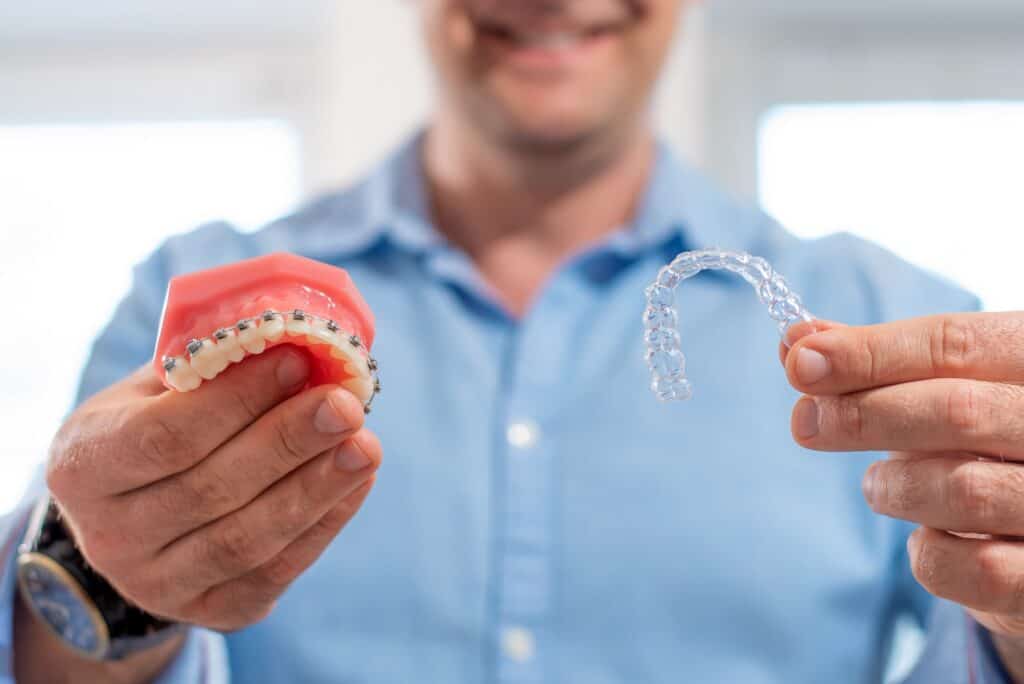
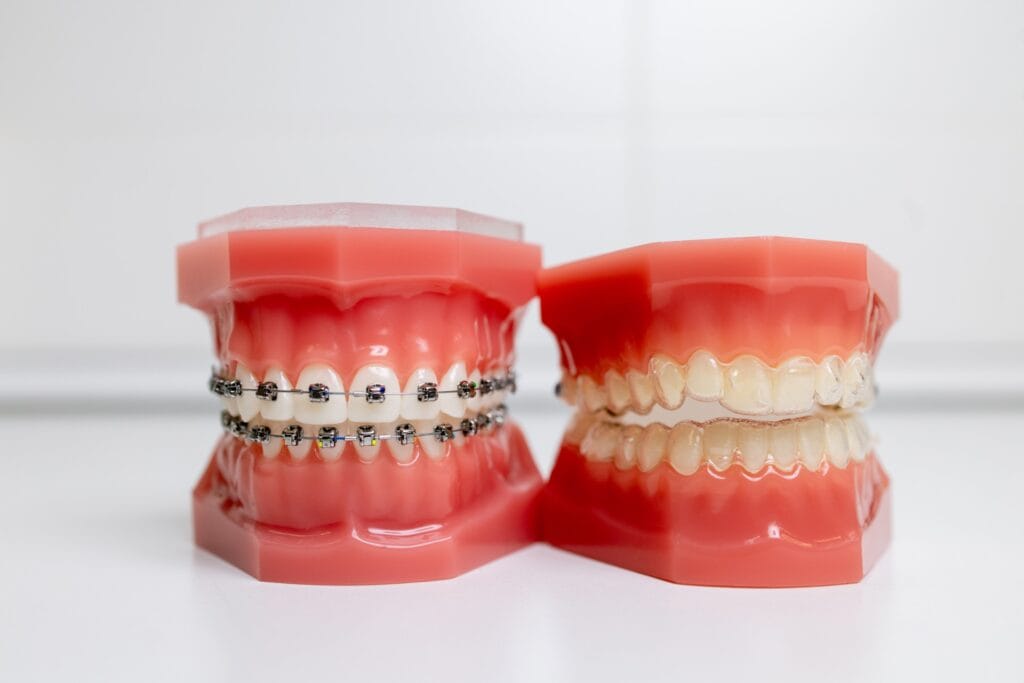
Braces move teeth using fixed brackets and wires that are adjusted over time.
Invisalign uses a series of removable, clear aligners that gradually guide teeth into position.


Both systems rely on carefully planned, controlled tooth movement. The difference lies in how force is applied, how treatment is monitored, and how involved the patient is in day-to-day wear.
Comfort and Day-to-Day Experience
Comfort is an important consideration, especially for adults balancing work, family and social commitments.
Braces are fixed and work continuously, but they may cause initial irritation to the lips and cheeks. Invisalign aligners are generally smoother and removable, though they require consistent wear to be effective.
Neither option is entirely discomfort-free. Tooth movement naturally involves periods of pressure, regardless of the system used.
Lifestyle and Commitment
Invisalign requires a high level of patient involvement. Aligners must be worn as advised and removed for eating and cleaning. For some, this flexibility is a benefit. For others, it can be challenging to maintain consistently.
Braces do not rely on daily compliance in the same way. Once fitted, they work continuously, which some patients find reassuring.
Choosing between the two often comes down to which approach better suits your habits and routine.
Effectiveness Is Not the Same for Everyone
Both Invisalign and braces are effective tools, but not every case can be treated equally with both.
Factors that influence suitability include:
- Tooth position and rotation
- Bite relationships
- Space requirements
- Previous orthodontic treatment
In some cases, braces offer more precise control. In others, Invisalign provides excellent results with greater convenience. Assessment is key.
Oral Health Considerations
Orthodontic treatment is not only about straightening teeth. Improved alignment can make cleaning easier and support gum health.
However, both systems require good oral hygiene. Braces can make cleaning more challenging, while Invisalign relies on careful aligner and tooth hygiene to prevent problems.
Preventative care remains essential throughout treatment, regardless of the method chosen.
“Which Option Is Faster?”
Treatment time varies and is influenced by complexity, consistency and biological response.
There is no universal answer. Some cases progress more efficiently with braces, others with Invisalign. Speed should never be the sole deciding factor, as stability and long-term outcomes matter more.
Invisalign and traditional braces can both be effective orthodontic options, but the choice often involves more than how they look. Factors such as bite alignment, treatment complexity, daily habits, and long-term stability all influence suitability, and what works well for one person may not be ideal for another.
If you’re comparing these options and wondering which factors matter most for your own situation, a calm conversation with a dentist can help clarify what may be appropriate for your teeth and how treatment could support your oral health over time.