

Teeth whitening is often seen as one of the simplest ways to refresh a smile.
No drilling, no long treatment plans — just brighter teeth and a boost in confidence.
But many patients pause before going ahead and ask a sensible question:
Is whitening always a good idea?
The honest answer is: not always — and not for everyone.
Understanding when whitening helps, when it disappoints, and when it should be postponed is an important part of making an informed decision.
“My Teeth Aren’t Very Dark — I Just Want Them a Bit Brighter”
This is how most whitening journeys begin. Patients are not looking for extreme results. They want to look fresher, healthier, more confident — without their smile looking artificial.
In many cases, professional whitening can achieve exactly that. However, whitening works best under the right conditions, and expectations need to be realistic from the start.
How Teeth Whitening Actually Works
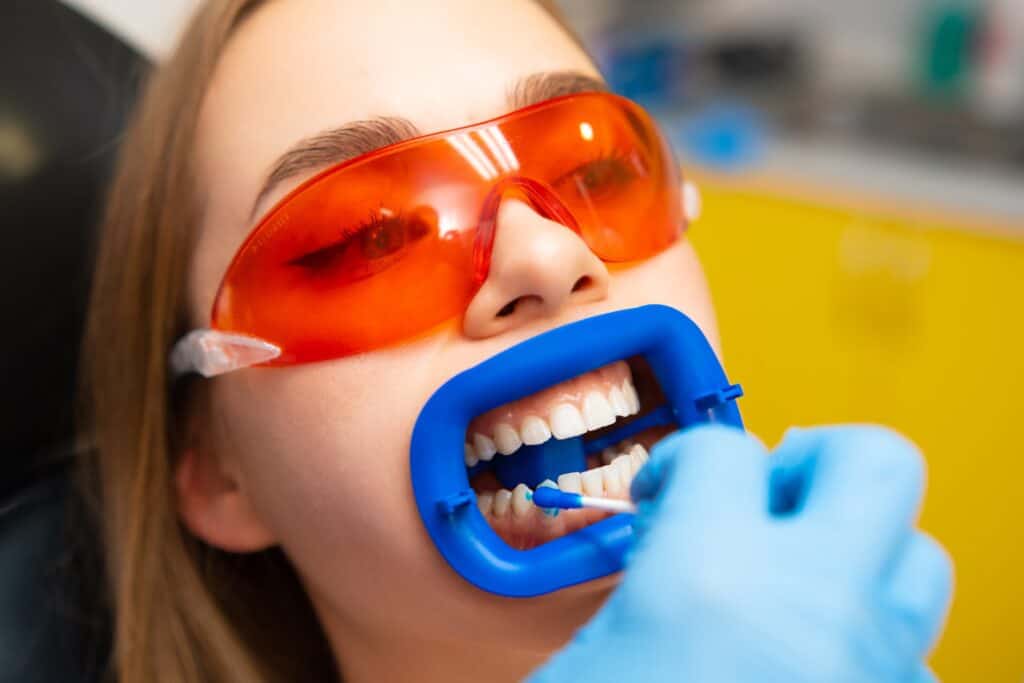
Whitening does not remove stains in the way polishing does. Instead, it lightens the natural colour of the tooth by acting on pigments within the enamel and dentine.
This means:
- Results vary between individuals
- Some teeth respond better than others
- Whitening does not change the colour of fillings, crowns or veneers
Preventative assessment helps determine whether whitening is likely to be effective before treatment begins.
When Whitening Can Be a Good Option
Teeth whitening may be appropriate when:
- Teeth are naturally darker or yellowed
- Discolouration is caused by ageing, diet or lifestyle
- Teeth and gums are otherwise healthy
- There is no significant sensitivity or active dental disease
In these situations, whitening can be a conservative way to improve appearance without altering tooth structure.
When Whitening May Not Be the Best First Step
There are times when whitening should be delayed or reconsidered.
Existing Sensitivity
If teeth are already sensitive, whitening may temporarily increase discomfort. Addressing the underlying cause first is often more comfortable.
Gum Inflammation
Whitening products can irritate inflamed gums. Gum health should be stabilised before cosmetic treatment.
Uneven Colour From Fillings or Crowns
Whitening affects natural teeth only. If visible restorations are present, results may appear uneven.
Expectations of Dramatic Change
Whitening has limits. If a significant colour change is desired, alternative cosmetic options may be more appropriate.
“I’ve Tried Whitening Before and It Didn’t Work”
This is something clinicians hear frequently. Whitening results can vary depending on:
- Tooth structure
- Type of staining
- Product strength and usage
- Compliance with instructions
Over-the-counter products may produce limited results, particularly when discolouration is deeper or longstanding. Professional guidance helps determine whether repeating whitening is worthwhile or whether another approach would be more suitable.
Why ‘Whiter’ Isn’t Always ‘Better’
Extremely white teeth do not suit everyone. Natural smiles vary in shade, translucency and character.

Cosmetic dentistry increasingly focuses on balance rather than brightness — choosing a shade that complements skin tone, age and facial features. A slightly brighter but natural smile often looks healthier and more timeless than an overly white one.
Whitening and Long-Term Maintenance
Whitening is not permanent. Lifestyle factors such as tea, coffee, red wine and smoking influence how long results last.
Preventative care plays a role here too. Good oral hygiene, regular reviews and occasional maintenance may help preserve results more predictably.
Tooth whitening can be an effective way to brighten a smile, but results and experiences can vary between individuals. Factors such as enamel condition, existing fillings or crowns, and natural tooth colour can influence both the outcome and the level of sensitivity experienced, and whitening may not be suitable for everyone.
If you’re considering whitening and wondering what results are realistic for you, a calm conversation with a dentist can help clarify whether it’s appropriate for your teeth and how it might fit into your overall oral health over time.