Dental Advice & Patient Guides
Helpful guidance for a healthier smile
Find straightforward information on oral health, common dental concerns, treatment guidance and aftercare, all in one place. All information is general guidance, and suitability depends on an individual clinical assessment.
Explore by topic
Featured Articles
Start with our most useful reads
Explore selected articles on oral health, common treatment questions and what to expect before, during and after care.

Oral Health
“My Gums Look Red, but They Don’t Hurt — Should I Be Worried?”
Red or swollen gums without pain are often ignored. Learn what it may mean, when to monitor changes, and how preventative dentistry can help.

Oral Health
Tooth Sensitivity — When Is It Normal, and When Is It Not?
Tooth sensitivity is common, but not always normal. Learn what causes it, when to monitor changes, and when a dental review may help.

Cosmetic Dentistry
Is Teeth Whitening Always a Good Idea?
Thinking about teeth whitening? Learn when whitening works well, when it may disappoint, and why it isn’t always suitable for everyone.

Dental Implants
Thinking About Dental Implants? What Most Patients Want to Know First
Considering dental implants? Learn what patients usually ask first, from suitability and comfort to timing and long-term care.
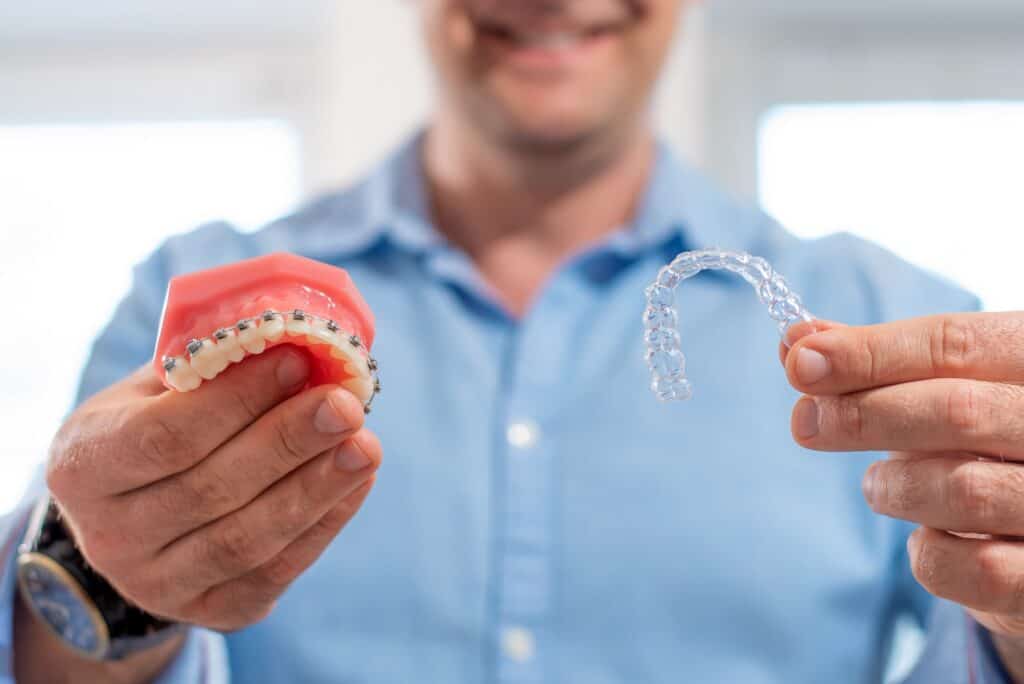
Orthodontics
Invisalign vs Braces: What Matters Beyond Appearance?
Choosing between Invisalign and braces involves more than looks. Learn how comfort, lifestyle, bite alignment and long-term results compare.

Patient Care
What Actually Happens During a Dental Consultation?
A dental consultation starts with listening, followed by a clear assessment and open discussion. Learn what to expect and how decisions are made.
Frequently Asked Questions
Quick answers to common dental questions
Browse a selection of the questions patients ask most often about oral health, treatments, costs and aftercare.
Sometimes a practice can provide a starting guide or a consultation fee, but an exact treatment fee is usually only responsible after assessment. That is because the final scope depends on diagnosis, sequencing, materials and whether any hidden factors are identified once the mouth is examined properly.
Treatment times vary widely. Some cases are relatively straightforward, while others require staged healing, temporary solutions or additional procedures such as grafting before the final tooth can be fitted. A realistic timeline can only be given after assessment and imaging.
A dental emergency usually involves severe pain, swelling, trauma, uncontrolled bleeding, a knocked-out tooth, difficulty swallowing, or anything that is rapidly worsening. Some issues are urgent rather than true emergencies, such as a lost filling without pain, but they should still be assessed promptly.
Bonding is usually completed directly on the tooth and can be more conservative and easier to repair, while porcelain veneers are laboratory-made and tend to offer stronger stain resistance and potentially greater long-term stability. Veneers may require some enamel adjustment, so the right choice depends on anatomy, goals and bite.
NHS dentistry is designed around clinically necessary care delivered within a regulated public system, while private dentistry offers wider flexibility in time, treatment options, materials and access. Neither model is automatically right for every patient, so the useful question is which route is most suitable for your needs and expectations.
A first consultation usually focuses on understanding your concerns, reviewing medical history, carrying out an examination and discussing suitable next steps. Depending on the reason for attending, radiographs, photographs or scans may also be recommended. Recommendations should follow clinical assessment rather than assumptions.
Get in Touch
Still have a question?
If you would like personalised guidance, you are welcome to contact Attelia London or arrange a consultation with the clinical team.